
Projects
Current Projects
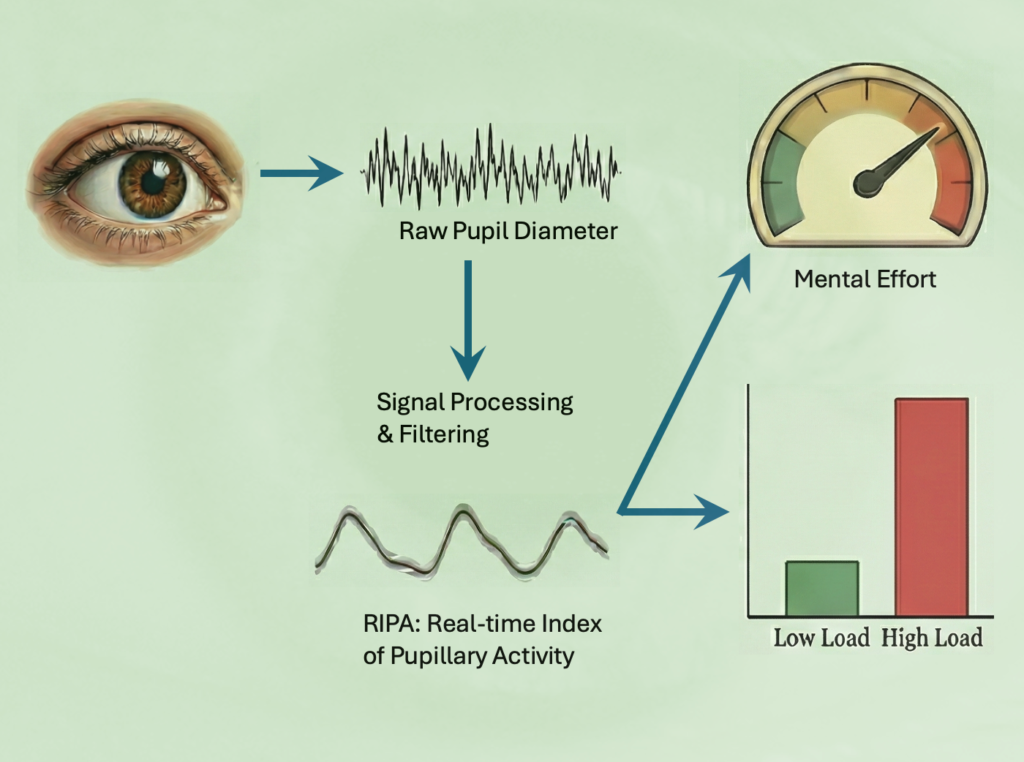
Real-time eye-tracking data processing
This project uses real-time eye-tracking to study cognitive load and visual attention. By analyzing changes in pupil size and gaze patterns, we detect moment-to-moment mental effort and shifts between broad scanning of a scene and focus attention on specific elements. This allows us to track how user engagement changes with different task demands. This can support adaptive interfaces, learning technologies, and workload monitoring.
Key Publications:
DoRA: The Depth of Relevance Assessment
The goal of the project is to enrich understanding of relevance, the surrounding phenomena, and to contribute to the theory of relevance. DoRA reflects how deeply a person considers a piece of information when determining its relevance to a given task. This project investigates human relevance judgement in relation to working memory capacity, propensity for confirmation bias, and text readability.
Key Publication:
Confirmation Bias in Task-Based Information Search: An Eye-Tracking Study in Health-Related Context
TACoS (Task Attributes and Confirmation Bias in Search) is a research project that examines how characteristics of search tasks influence the manifestation of confirmation bias during health-related information seeking. Using an in-lab eye-tracking study, the project investigates how different task attributes affect users’ information seeking behaviors when searching for health information online. By combining eye-movement data, behavioral logs, and post-task interviews, the study aims to provide a deeper understanding of how task design shapes confirmation bias in interactive information retrieval and to inform the development of search systems that better support balanced information evaluation.
Key Publication:
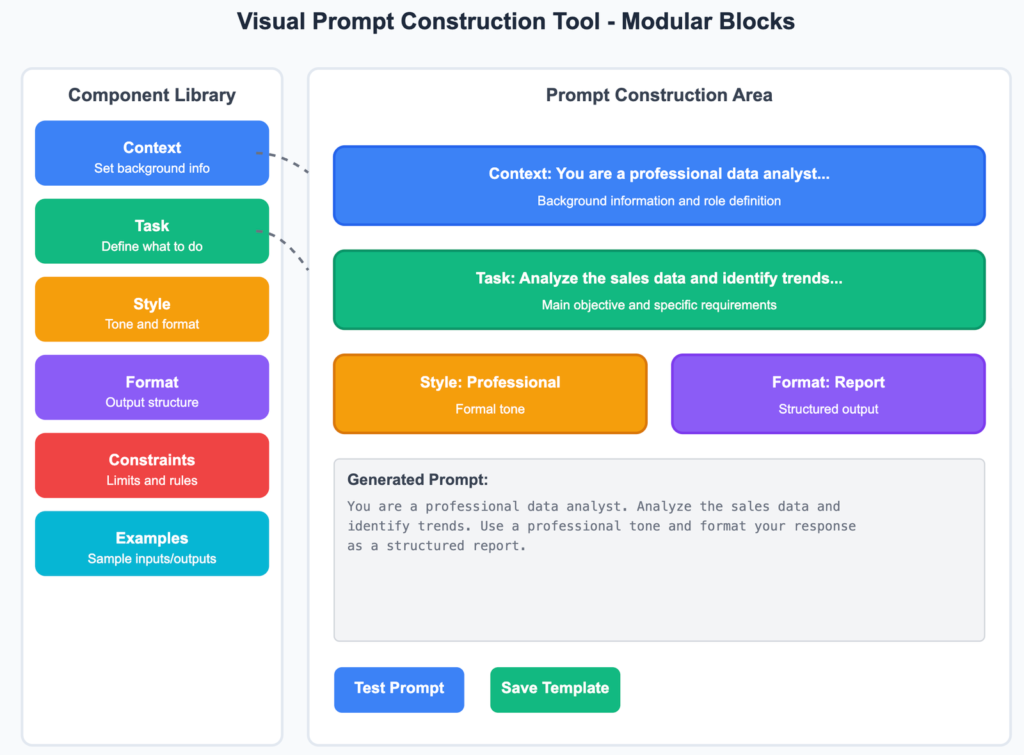
genAI4IS: A Human-Centered Approach to Leveraging LLMs in Augmenting Information-Seeking Processes
This project examines the integration of Large Language Models (LLMs) into human information-seeking processes. It investigates how LLMs can support user intent, query refinement, and evaluation of results across successive stages of information retrieval—from initial query formulation through to the final assessment of search outcomes. LLMs offer novel methods for enhancing information search, presenting an opportunity to fundamentally reconsider established models of information seeking, with the potential to improve both the efficiency and effectiveness of information retrieval in digital environments.
Eye-tracking and Adapting to Human Attention in LLMs
This project uses eye-tracking to study how students interact with AI copilots to learn new concepts in both general and domain-specific topics, and how these tools influence attention and cognitive load. By analyzing gaze patterns and conducting knowledge assessments, we track where learners focus, how their cognitive load changes across tasks over time, and their knowledge gains. This study will inform the design of AI tools that better support effective and meaningful learning.